Now, as he was walking beside the Sea of Galilee, he saw two brothers, Simon called Peter and his brother Andrew, throwing a casting net into the sea (for they were fishermen). And immediately, they left their nets and followed him. And he said to them, “Follow me[1], and I will make you fishers of people.” And going on from there, he saw two other brothers, James, the son of Zebedee, and his brother John, in the boat with their father Zebedee, mending their nets, and he called them. And immediately they left the boat and their father and followed him.[2]
When I think of being missional, the idea of a relationship comes to mind. We cannot develop people to become missional without developing relationships with them. When Jesus called his disciples, he told them to “come follow me.” As we watch the rest of the story unfold, we find it means more than watching a YouTube channel, liking a Facebook post, etc. It went much deeper than a general acquaintance or modest friendship. It required trust, learning, modeling, and understanding. The following is a brief reflection on the role of Jesus as a mentor.
The scripture above speaks of Jesus calling his disciples. I want to draw our attention to a few thoughts that help us understand the call from Jesus to His disciples.
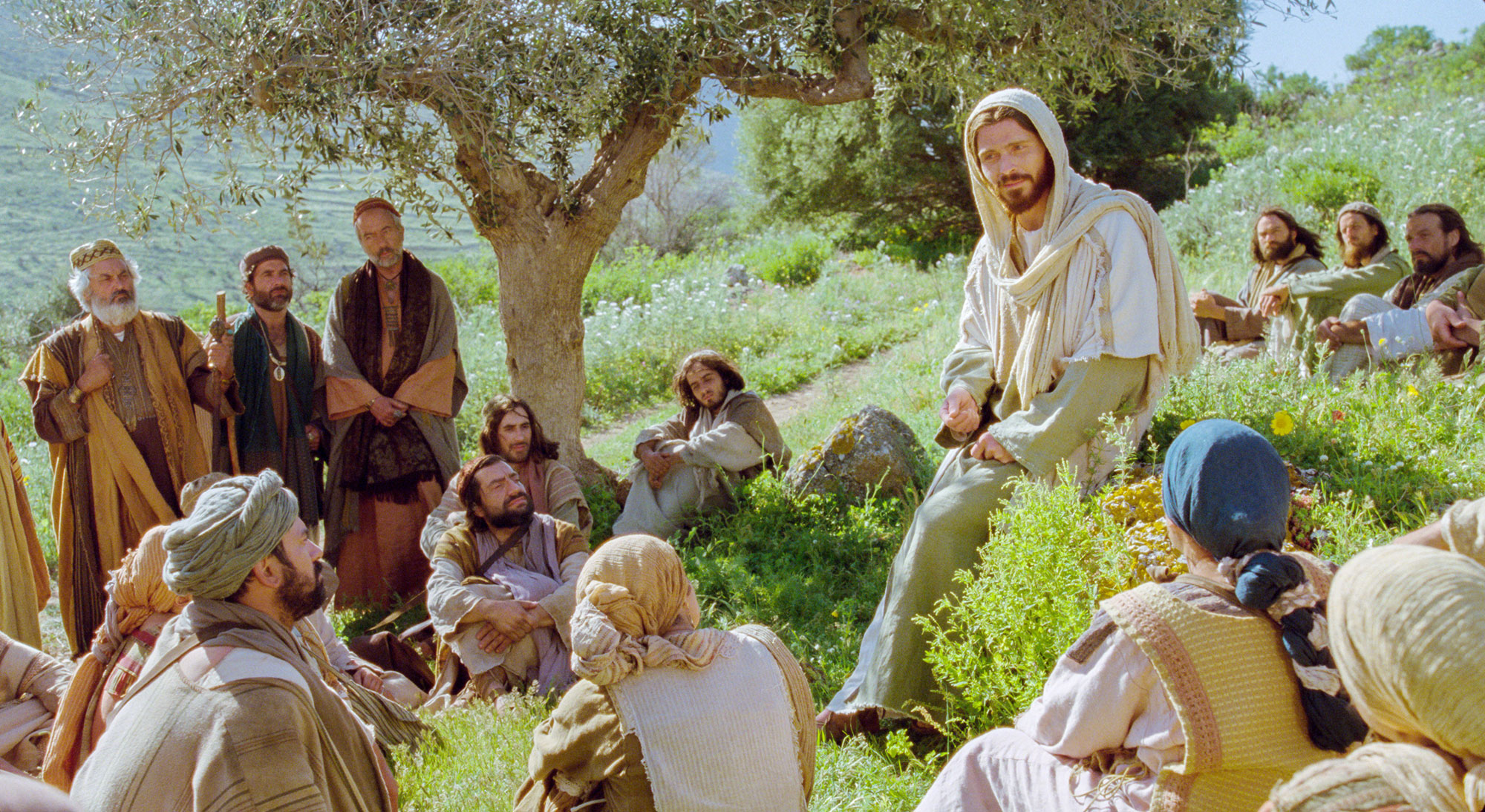
Jesus was a great mentor. He invested time and energy in his disciples, teaching them about God’s kingdom and how to live a life of love and service. He also modeled the behavior he wanted them to emulate.
Here are some of the ways Jesus mentored his disciples:
- He called them to a personal relationship with Him. By a direct invitation to a connection characterized by openness, availability, and simplicity.
- He taught them through parables. Parables are stories that illustrate a moral or spiritual lesson. Jesus used parables to teach his disciples about God’s kingdom, the importance of faith, and the need to love one another.
- He prayed with them. Prayer is a powerful way to connect with God. Jesus prayed with his disciples, and he taught them how to pray.
- He showed his disciples the importance of serving others by serving them himself. He served others with them. He healed the sick, fed the hungry, and welcomed the outcast.
- He served as their mentor by emphasizing their potential rather than their flaws. When He invited them, He didn’t only see who they were; He also saw what they would become.
- He was not afraid to correct his disciples when they were wrong. He corrected them when they were wrong. He did this because he loved them and wanted them to grow in their faith.
- He showed his disciples his love in many ways. He spoke kindly to them, listened to them, and forgave them. He showed them his love.
Jesus was a caring and compassionate instructor, which made his mentoring effective. He was kind and forgiving, and he constantly exhorted his followers to deepen their faith. Jesus’ followers were influential leaders in the early church, and his teaching and example had a profound impact on them.You can learn a lot from Jesus’s example if you want to mentor others. Here are a few things to keep in mind:
- Be a loving and compassionate teacher. Show your mentees that you care about them and are there to help them grow.
- Be patient and understanding. Everyone’s pace of learning is different, so be patient with your mentees and don’t expect them to know everything immediately. Could you encourage them to grow in their faith?
- Help your mentees develop a personal relationship with God and grow in their understanding of his word. Be a role model.
- See and enable their potential and help them build that potential within themselves.
- Show your mentees how to live a life of love, service, and faith.
[1] In Matthew 4:19, the literal understanding of “Follow me” means “come behind me.”
[2] Matthew 4:18-22 https://my.bible.com/bible/90/MAT.4.18-22

 Cahill's in Asia
Leave a comment